BuzzFeed recently rounded up 20 pieces of storage furniture designed to blend into your décor instead of announcing themselves as storage. The pitch, per its description: let everyone assume you bought it for the vibes, not because you have clutter to hide.
The roundup's product details aren't something we can pass along here, so rather than guess at specific items, this guide gives you what travels well: a way to choose disguised storage, place it, and style it so it works in a real room. By the end, you'll know what to measure, what to ask of any piece, and how to make it look intentional.
Why disguised storage is having a moment
Per the BuzzFeed piece, the appeal comes from two pressures at once: small-space living and minimalist design trends. Renters and homeowners alike want furniture that works hard without wrecking the look of a room.
That's the core idea worth borrowing. A piece earns its spot by doing two jobs. If it only stores things, it's a shelf in disguise. If it only looks nice, it's one more object to dust around.
Start with what you're hiding
Before you shop, spend ten minutes listing what's actually causing the clutter. Sort it into three piles:
- Daily-use items (keys, remotes, mail, shoes): these need easy, quick access.
- Occasional items (extra blankets, board games, guest linens): these can live behind doors or inside lidded pieces.
- Rarely used items (seasonal décor, documents): these can go in the deepest, hardest-to-reach spots.
This matters because disguised storage often trades convenience for looks. A bench with a lift-up lid is lovely, but it's a poor home for something you grab every morning.
Measure twice, then check three things
The most common mistake is buying for looks and discovering the interior doesn't fit what you own. Before you commit, check:
- Interior dimensions, not exterior. Panels, legs, and frames eat space. Compare the inside measurements against your biggest item in that pile.
- Clearance. Leave room for doors to swing, drawers to pull out, and lids to lift. Measure the open footprint, not just the closed one.
- How it opens. Hinged lids, doors, drawers, and open cubbies each suit different habits. Pick the one you'll actually use.
Match the piece to the room
Disguised storage tends to work best when it takes on a role the room already needs. These are general pairings, not picks from the roundup:
Entryway
A bench or cabinet that doubles as a seat handles shoes and bags. Keep daily items at hand level and tuck off-season gear lower.
Living room
A coffee table, ottoman, or console with closed storage can swallow throws, controllers, and games. Closed fronts keep visual noise down.
Bedroom
Furniture you already need, like a nightstand or bed frame, is a natural place to hide extras. Put things you reach for at night within easy reach and the rest lower down.
Small spaces
When square footage is tight, let one anchor piece carry the load rather than scattering several small ones. One larger, well-chosen piece usually looks calmer than five little containers.
Style it so it reads as décor
Hiding storage is half the trick. The other half is making the piece look chosen.
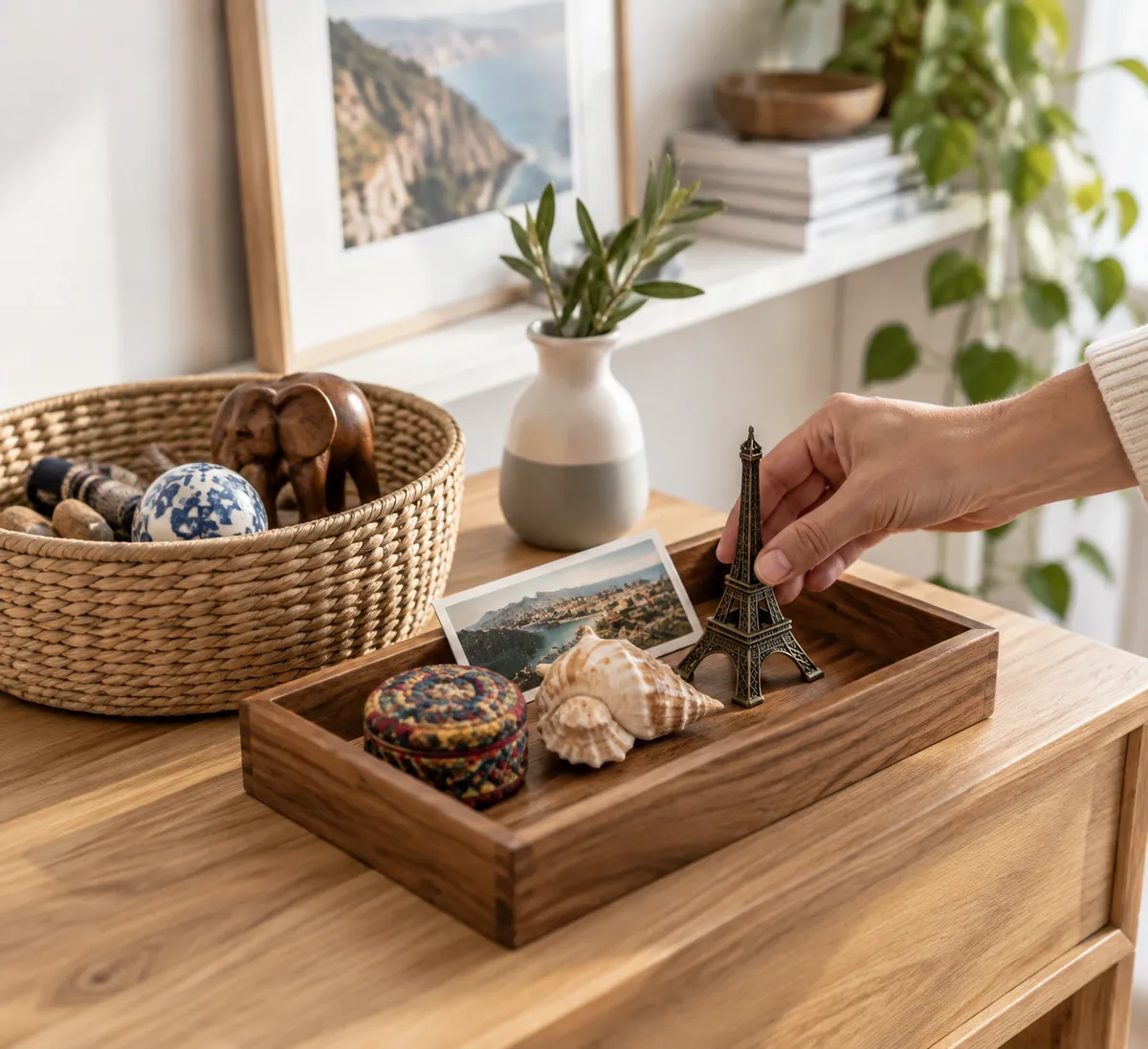
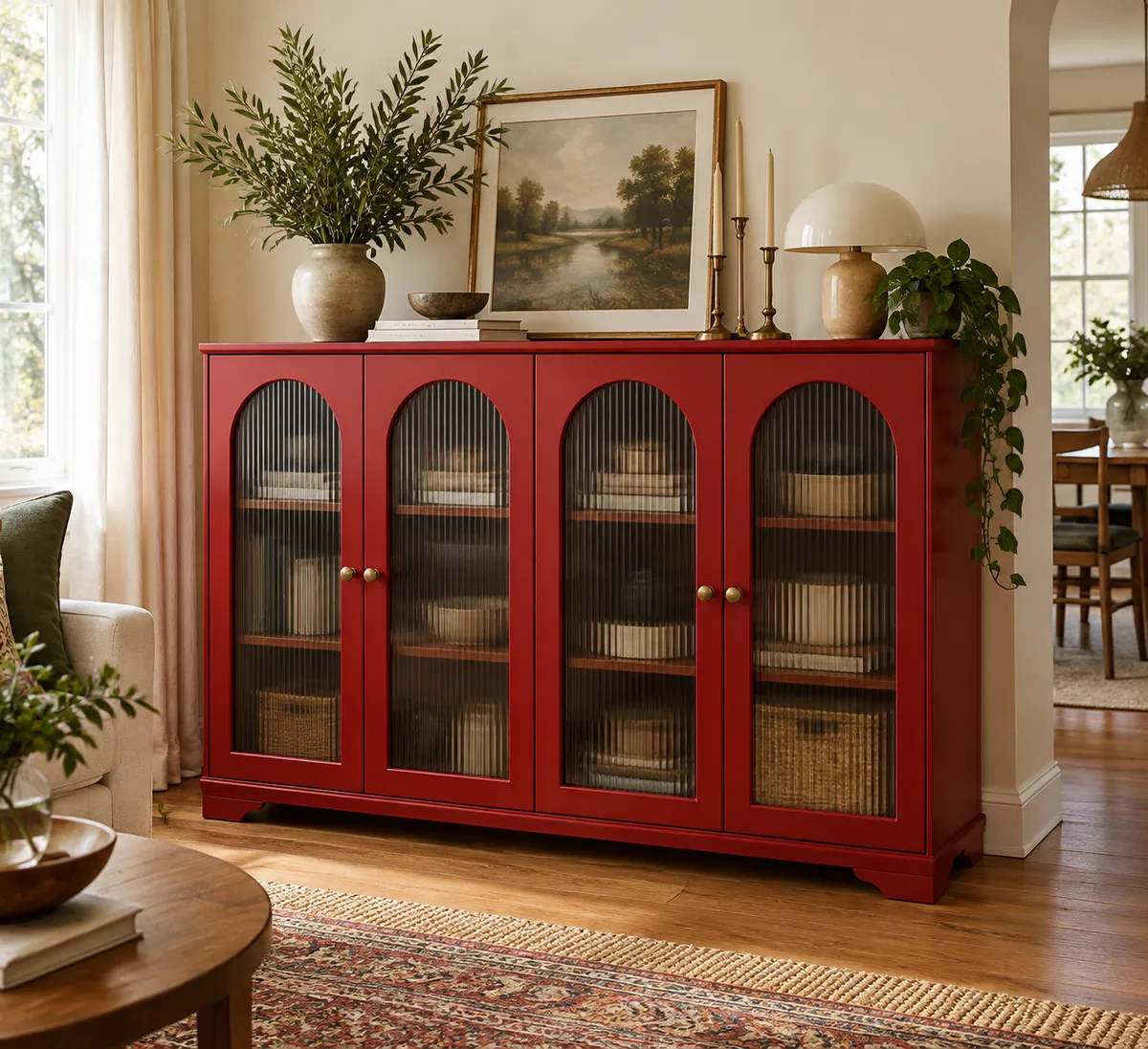
- Leave some surface bare. If every inch holds stuff, the piece looks like a dumping ground. Aim for a lamp, a plant, or a tray, and some empty space.
- Group items in threes. A small cluster at different heights looks styled; a scattered row looks accidental.
- Match materials to the room. Wood tones, metal finishes, and colors that echo what's already there help the piece recede.
- Don't overstuff. Bulging doors and sagging lids give the game away. Leave a bit of breathing room inside.
Budget or splurge?
The BuzzFeed roundup's angle menu points to budget-versus-splurge comparisons, and it's a useful frame even without specific prices. Spend more on pieces that take daily wear: drawers, hinges, and lids you open constantly. Save on pieces that mostly sit there, like a decorative cabinet holding rarely touched things. Check how the moving parts feel before you decide, if you can.
A quick test before you buy
Picture the piece in your room with its doors open and everything inside. Would you still be happy to see it? Then imagine it closed on a busy day. If both versions work, it's a keeper.
Your next step is simple: pick the one spot in your home where clutter collects, measure it, and list exactly what needs to disappear. That list, not the product photo, should decide what you bring home.