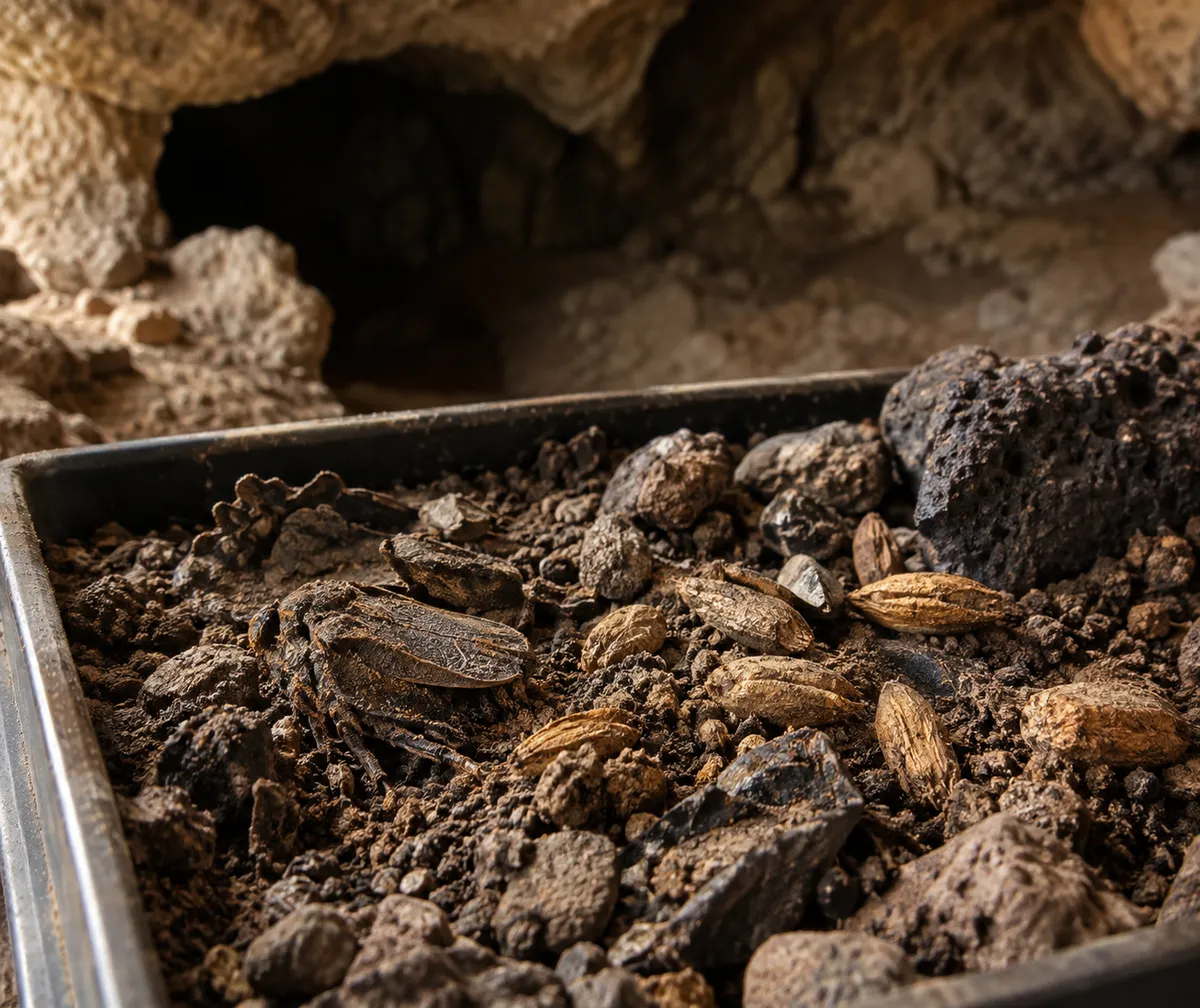
Tiny insect remains can tell you things that bones and pottery can't. By the end of this article, you'll know how more than 8,000 preserved insect fragments from one cave in Gran Canaria rewrote the story of the place, and how you can read an ancient site the way these researchers did.
The find: a cave with two lives
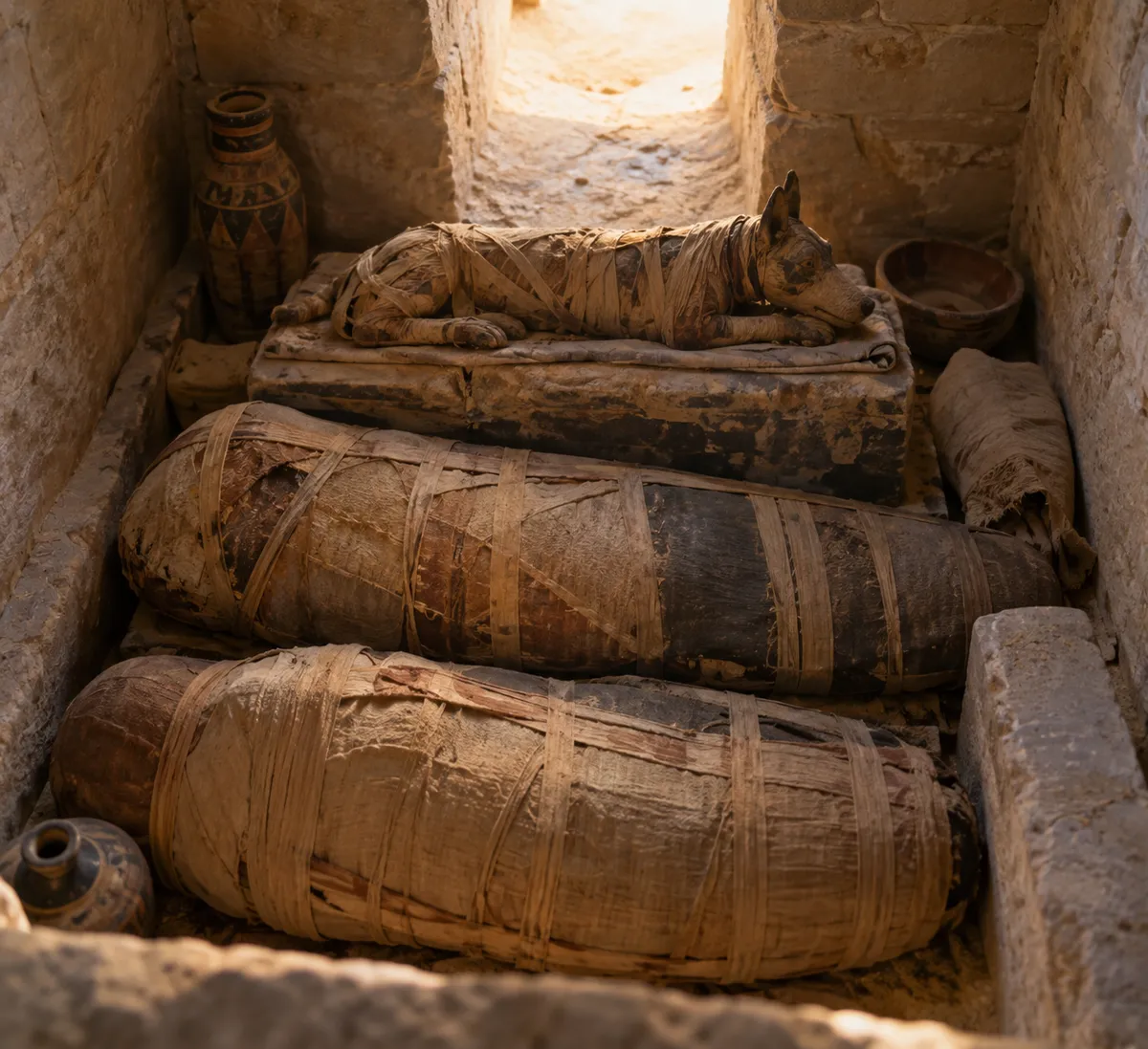
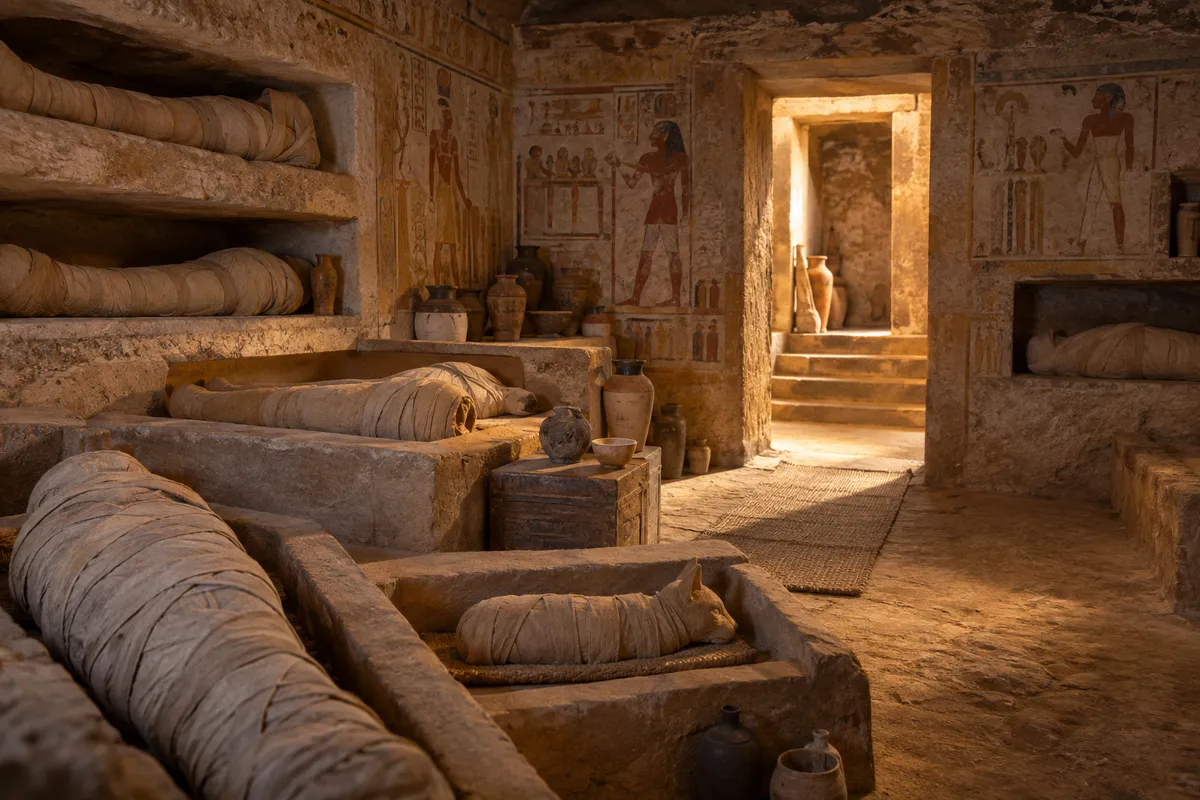
Archaeologists analyzed more than 8,000 preserved insect remains from Cruz de la Esquina, a funerary cave on Gran Canaria dated to the 7th to 9th centuries AD, according to a report from Phys. The insects showed that the cave was used by the island's Indigenous people as a grain storage site before it became a burial cave.
That's a hidden biography: first a practical pantry, later a resting place for the dead. Nobody wrote it down. The bugs did the recording.
Why insects make good witnesses
This approach is called archaeoentomology, the study of ancient insects. The logic is simple and a little unsettling. Insects show up wherever there is food, shelter, or decay, and they show up in particular combinations. Different species are drawn to different conditions. When their remains are preserved, they act like a record of what was going on in a space.
In Cruz de la Esquina, the mix of remains pointed to stored grain in the cave's earlier phase. The same collection also carried information about the later burials.
What this means in practice
- Insects reflect activity. A cave full of grain pests suggests grain, even if the grain itself is long gone.
- They're overlooked. Researchers can get new answers from material that earlier digs may have treated as background.
- Quantity helps. With over 8,000 remains, the team had a large sample, not a handful of curiosities.
What the bugs say about the burials
The findings also suggest that bodies were placed in the cave shortly after death. That challenges earlier ideas that bodies underwent a period of decomposition elsewhere before being deposited.
It's a good example of how a small line of evidence can push back on a bigger assumption. The insect record didn't fit a story of long pre-burial decay, so the story needs revisiting. As Phys reports it, this is a suggestion rather than a closed case, and it's worth holding it that way.
Why Indigenous Canary Islands history needs this kind of evidence
Much of the Indigenous history of the Canary Islands was disrupted or lost after the Spanish conquest. When written records and living traditions have gaps, physical evidence carries more weight. That's where unusual sources like insect remains become valuable: they add rare detail about daily life and death practices that might otherwise stay invisible.
It's my take, not a claim from the study, but there's something fitting about it. People who left few accounts in their own words are being heard again through the quiet leftovers of their everyday lives.
How to read a site like a researcher
You don't need a lab to borrow the mindset. Next time you visit a museum, a historic site, or even an old building:
- Ask what the space was used for first. Places often have more than one life, as this cave did.
- Look for the small evidence. Seeds, residues, and creatures are clues too, not just objects behind glass.
- Question the tidy story. If a detail doesn't fit the accepted explanation, it might be worth a second look.
- Remember what's missing. Gaps in the record often reflect what was lost, not what never existed.
The takeaway
When you look at an ancient place, don't stop at the headline objects. Ask what the smallest, easiest-to-ignore evidence might be saying, because at Cruz de la Esquina, it told a story that nothing else did.