Designer Nina Magon thinks the best wellness retreat is the one you don't have to leave home for. Per Forbes, she argues that wellness belongs inside the residence rather than on a building's amenity floor, and she is positioning herself to build it. You don't need a designer to borrow the idea. By the end of this article, you'll have a way to look at your own home and decide where a small retreat could live.
The details of Magon's projects aren't something we can lay out here, so this piece sticks to what Forbes reported about her philosophy and turns it into a practical way of thinking. Anything beyond that is our own suggestion, and we'll say so.
The Idea: Wellness as Part of Daily Life
An amenity floor is a destination. You get in an elevator, schedule a visit, and treat wellness as an errand. Magon's argument, as Forbes frames it, is that true wellness should be woven into everyday home living instead.
That shift matters because habits tend to follow convenience. (That's our observation, not a claim from the report.) A space you pass ten times a day gets used more than one you have to plan a trip to.
Why Homes Are Changing Now
Per the reporting, homeowners since the pandemic have been investing in personal wellness spaces and prioritizing mental health in their living environments. The trend is moving beyond the basic gym room toward fuller, retreat-style experiences.
The takeaway for you: the question is no longer "where do I put the treadmill?" It's "where do I go to feel better?"
How to Find Your Home's Retreat Spot
These steps are our practical suggestions for applying the idea, not details from Magon's work.
1. Ask what you actually need
Write down what would help most: quiet, movement, stretching, sleep, a place to read, a place to breathe. A retreat for a person who needs silence looks nothing like one for a person who needs a workout.
2. Choose a spot you already pass through
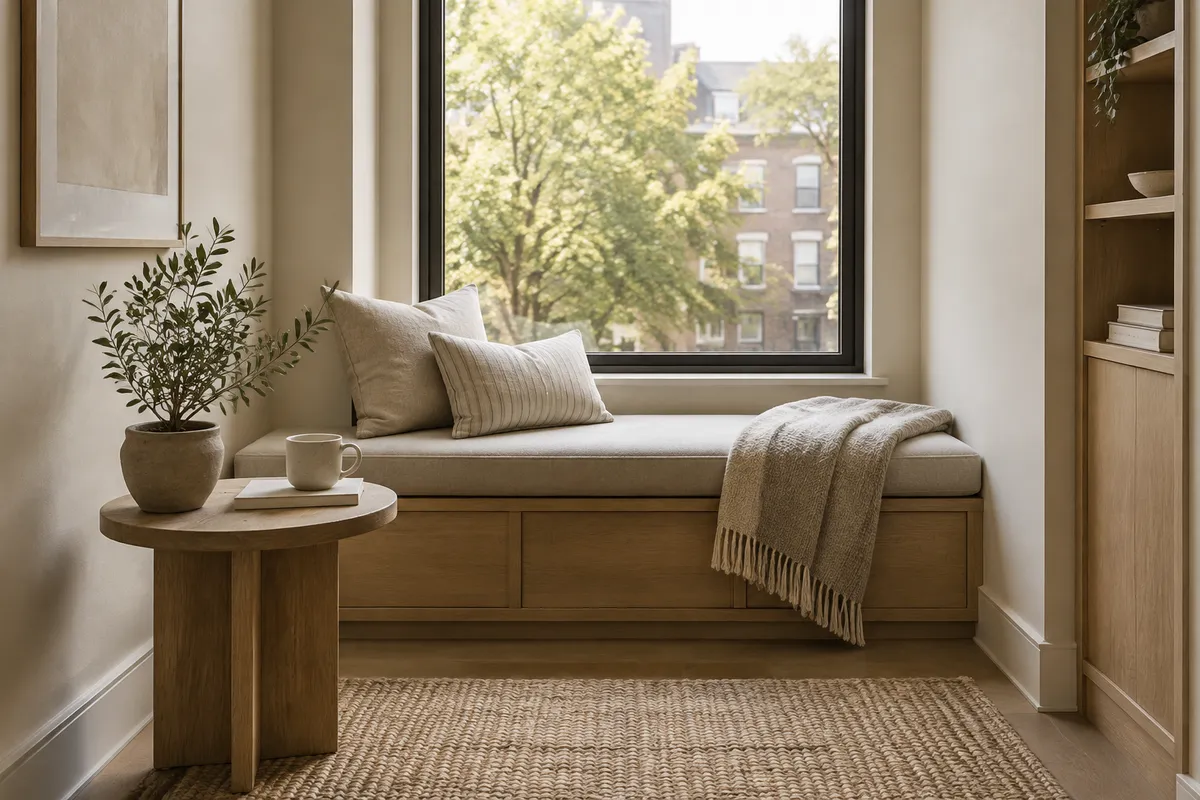
Look for an underused corner, a landing, a spare bedroom, or one end of a living room. The closer it is to your normal routine, the more likely you are to use it.
3. Give it one clear purpose
A retreat works when the space signals what it's for. Keep it uncluttered and keep unrelated items, like laundry piles or work paperwork, out of it.
4. Start small and add
A single chair, a mat, and a lamp you like can be enough to begin. If you use it, expand. If you don't, you've lost very little and learned something about what you need.
Scaling to Your Space and Budget
- Small apartment: Claim a corner and make it consistent. Even a few square feet set aside for stretching or sitting quietly counts.
- Mid-size home: Convert a spare room or alcove from storage into a dedicated retreat.
- Larger home: Consider a fuller room built around your main need, which is where Magon's retreat-style thinking seems to point.
The principle holds at every size: integrate it into daily life instead of treating it as a separate, special place.
What Sets This Approach Apart
From the Forbes profile, Magon has built her career on taking risks and constant evolution. Her current bet is that residential wellness deserves the same design attention that luxury buildings give to their shared spaces. Whether or not you ever hire a designer, that's a useful challenge: if a building can justify a room for wellness, so can your home.
The Takeaway
Walk through your home today and pick one spot where a five-minute reset could happen. Clear it, give it a purpose, and use it tomorrow. A retreat doesn't need an amenity floor, just a place you'll actually go.