If you've been curious about motorized window shades but wary of the setup, this is for you. After hearing about them for a few years, a Forbes writer finally tried SelectBlinds motorized blackout roller shades in a bedroom. The review covers installation, programming, customer service, and day-to-day performance. Below is what that experience suggests you should weigh before you buy.
The Verdict: Cleaner, Darker, and Tech-Forward
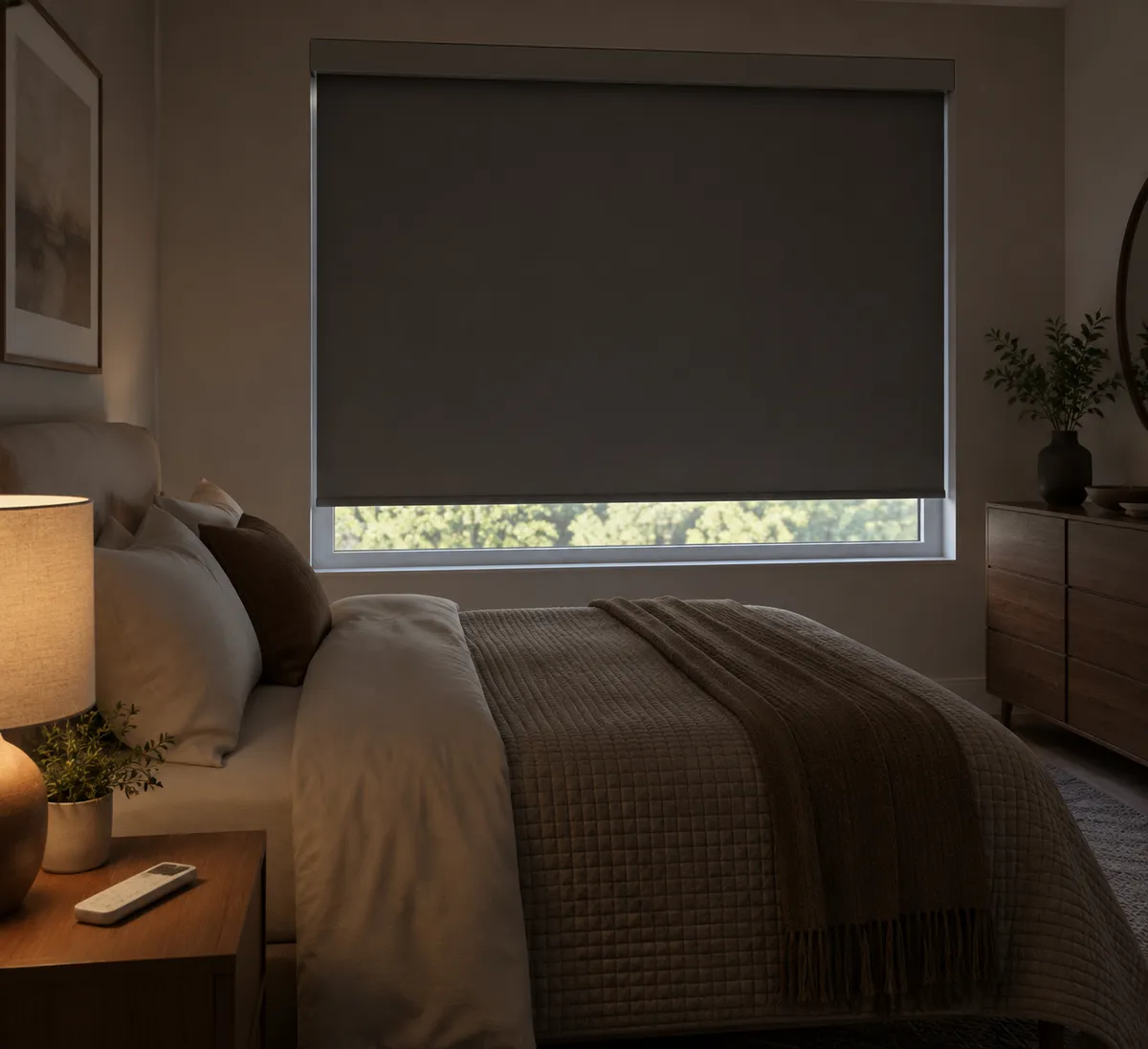
The main takeaway from Forbes is that the shades deliver a cleaner, darker, more tech-forward bedroom. Two of those three benefits are easy to picture. Blackout fabric is built to keep light out, and motorization removes the visual clutter of pull cords or chains, so the window looks tidier.
The catch is that setup quirks and programming details matter. The shades are not a plug-in-and-forget product, and the review is candid about that. Expect to spend some time getting them working the way you want.
Why a Bedroom Is a Smart First Test
Blackout shades have an obvious job in a bedroom: keeping the room dark. Adding a motor changes how you use them. Instead of reaching up to tug a cord, you control the shade by remote or app. (Forbes' coverage centers on the bedroom setup; the details of every control option are best confirmed on the product page before you order.)
If your goal is a darker room, start by asking which windows actually let in the light that bothers you. Test one window first rather than outfitting the whole house.
Motorized Shades Are Part of a Bigger Shift
Smart home upgrades are moving beyond speakers and thermostats into everyday fixtures, and window treatments are part of that. Per the Forbes piece's framing, motorized shades already represent a sizable slice of the window-covering market. That means you're not buying something exotic. It's a category with real demand, which tends to mean more options and more people who have already worked through the problems you might hit.
Before You Order: A Practical Checklist
The review points to installation, programming, and customer service as the areas that shape your experience. Turn those into questions you can answer before spending money:
Installation
Decide how comfortable you are mounting hardware at your windows. Installation anxiety is a common reason people hold off on smart shades. Read the manufacturer's installation instructions before ordering so nothing about the process surprises you, and measure carefully, since window coverings are made to size.
Programming
Programming is where Forbes flags quirks. Set aside a block of time for it, ideally not the night you need the shades working. Keep the instructions handy and go step by step, rather than pressing buttons and hoping.
Customer Service
Forbes reviewed customer service as part of the experience, which is a good reminder that you should too. Find out how to reach the seller and what the return or support process looks like before you need it. A shade that won't program is a much smaller problem when help is easy to reach.
Control Method
Check whether a given shade works with a remote, an app, or both, and decide which you'd actually use. A remote by the bed is simple. An app is flexible but adds another thing on your phone. Match the control to how you already live.
Is It Worth It?
That depends on what bothers you now. If you want a darker bedroom and a tidier look, and you're willing to invest an hour or two in setup, motorized blackout shades look like a sensible upgrade based on the Forbes experience. If you want something that works perfectly the moment it leaves the box, expect a small learning curve instead.
Your Next Step
Pick the one window that most needs help, read the installation and programming instructions for the shade you're considering, and decide whether you'd use a remote or an app. If those answers feel manageable, you're ready to try one shade before committing to the rest.